What to Do After a Content Audit: Turn Findings Into an Action Plan


The audit is done and every page has its verdict. This guide covers what happens next: turning that spreadsheet into a prioritized backlog, shipping the changes safely, and proving the work paid off within ninety days.
Start from a finished audit
An audit that ends in a spreadsheet was research. The value only arrives when verdicts become published changes, and that second half is where most projects quietly stall.
This guide assumes the audit itself is behind you: every URL carries one of the five verdicts and a one-line reason. If that sheet does not exist yet, start with the companion guide to what a content audit is and why it matters, then come back with verdicts in hand.
From here the job changes character. The audit needed an analyst's patience, while the action plan needs a project manager's calendar.
Turn verdicts into a work backlog
A verdict is a decision, not a task. The first move is translating each one into work a person can pick up on a Tuesday morning, with the pages named and the effort estimated.
What each verdict costs to execute
| Verdict | The work it creates | Typical effort |
|---|---|---|
| Keep | Log the decision and set the next review date | Minutes per page |
| Refresh | Update facts, rework weak sections, sharpen the title, republish | Two to six hours per page |
| Consolidate | Write one merged draft, set redirects, update internal links | Six to twelve hours per cluster |
| Redirect | Choose the target, map it in the sheet, deploy and test | Under an hour per page |
| Retire | Archive a copy, remove the page, clean up links to it | Under an hour per page |
Write tickets at the batch level, not the page level. One ticket that says refresh these eight statistics posts with 2026 data beats eight tickets nobody sequences.
Prioritize: quick wins before big bets
Not all verdicts deserve the same week. Rank batches by how fast they return value and by how much can go wrong while shipping them.
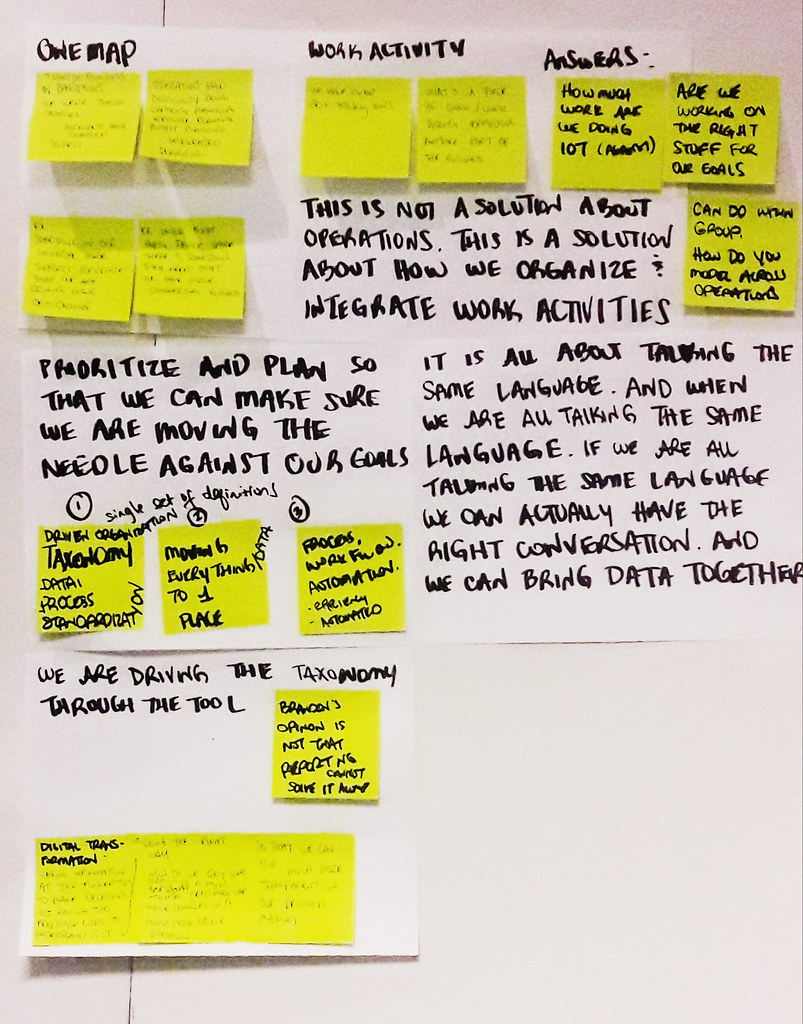
Batches on a wall beat verdicts in a tab ·
Four batches, in shipping order
| Batch | What goes in it | Why it ships in this order |
|---|---|---|
| First | Quick-win refreshes: pages with strong impressions and weak clicks | Existing visibility converts into traffic within weeks |
| Second | Retirements and simple redirects | Low risk, clears the sheet, and focuses attention on what remains |
| Third | Consolidations of overlapping clusters | Highest long-term value, but it needs drafting, redirects, and care |
| Fourth | Deep refreshes of strategic pages | Big effort that deserves the lessons learned from earlier batches |
This order also manages morale. Early visible wins buy patience for the slower structural work.
The 30-60-90 day plan

Ninety days is long enough to show results and short enough to keep attention. Put the batches on a calendar before anyone opens a document.
The default schedule to adapt
| Window | Focus | What done looks like |
|---|---|---|
| Days 1 to 30 | Quick-win refreshes plus all retirements and simple redirects | First batches live, baselines recorded, nothing broken |
| Days 31 to 60 | Consolidations, one cluster at a time | Merged pages live with redirects tested and internal links updated |
| Days 61 to 90 | Deep refreshes and the results report | Strategic pages relaunched and a before-and-after story told |
Protect the windows. A consolidation that slips does not just delay itself, it delays the measurement that proves the whole project.
Owners, dates, and the handoff
The person who ran the audit is often not the person who ships the changes, and the handoff is where context evaporates. The one-line reason recorded next to each verdict is the antidote, so pass the sheet along with the tickets.
Give every batch exactly one owner and one date. Shared ownership reads as generosity and performs as nobody.
Tell the neighbors too. Sales, support, and email teams link to pages that are about to move, and a two-line heads-up prevents a week of broken quotes and templates.
How to execute a refresh
A real refresh changes substance, not just the date stamp. Replace aged statistics, rewrite sections that no longer match what searchers want, and cut paragraphs that exist only to fill space.
Check the page against the intent of its winning queries. If the query asks how and the page argues why, no amount of polish fixes the mismatch.
Hold each refresh to the same bar you would use for new work. Google's people-first content guidance doubles as a practical refresh checklist, and it costs nothing.
Then republish honestly. Update the visible date only because the substance changed, never the other way around.
How to execute a consolidation
Consolidation is the most delicate verdict because it moves authority between URLs. The order of operations matters more than the effort.
01 - Draft the merged page first
Combine the best sections from every overlapping URL into one draft that answers the full intent. Publish nothing yet.
02 - Choose the surviving URL
Usually the one with the most backlinks or the cleanest address. The others become source material, then redirects.
03 - Publish, then redirect
Make the merged page live, then point each old URL at it with a permanent redirect. Never redirect to a page that is not ready.
04 - Update internal links
Point navigation, related posts, and in-text links straight at the survivor, so no reader travels through a redirect to get there.
05 - Log everything
Record the date, the source URLs, and the target in the sheet. The next audit inherits a map instead of a mystery.
Ten minutes with Google's documentation on redirects before the first cluster will save a support ticket later.
Redirects and retirements, done safely
Removal is permanent in a way edits are not, so it earns two safeguards: archive first, and check the links pointing in.
- Save a copy of every page you remove, and store a public snapshot with the Wayback Machine so nothing is lost forever
- Check backlinks before retiring, because a page with meaningful external links usually deserves a redirect instead
- Serve an honest status for removed pages, a not found or gone response, rather than a soft redirect to the homepage
- Sweep internal links after each batch so readers never land on a page you removed
Retirement is housekeeping, not defeat. The sheet is your proof that each removal was a decision rather than an accident.
Watch the dip: the first thirty days
Expect turbulence. Rankings often wobble for two to four weeks after consolidations and redirects while search engines recrawl and reassign signals.
Watch the touched pages in Google Search Console: indexing status, impressions, and any spike in not found errors. Check weekly, not hourly.
Define the rollback trigger before you need it. A reasonable rule: if a consolidated cluster has lost more than half its combined clicks after four weeks, review the redirect targets and the intent match before anything else.
Resist panic reverts in week one. Undoing a redirect during the turbulence window usually resets the clock and doubles the damage.
Report results people believe
Stakeholders do not want the spreadsheet back. They want three numbers and one sentence about what happens next.

Three numbers and one sentence beat forty slides
The three numbers that carry the report
| Number | How to read it | Where it comes from |
|---|---|---|
| Refreshed pages: clicks | Compare the ninety days before and after each republish | Search performance exports for those URLs |
| Consolidated clusters: position | Compare the surviving page against the cluster's old best rank | Query-level tracking in the same exports |
| Library size and hours | Pages retired and maintenance hours no longer being spent | The audit sheet itself |
Measure only the audited set, and annotate every change date so movement can be attributed. Site-wide numbers move for a dozen unrelated reasons, and borrowing them undermines the honest wins.
Close the report with the next window. Momentum is easier to keep than to restart.
Fill the gaps the audit exposed
The audit mapped what exists, which quietly mapped what does not. Cross topic clusters against funnel stages, and the empty cells become a shortlist of pages worth commissioning.
Validate demand before writing. A quick pass through Google Trends shows whether interest in a gap topic is growing, seasonal, or fading, which is enough signal to sequence the shortlist.
Fund the gaps with the savings. The hours freed by retirements and the authority gathered by consolidations are the budget for what was missing.
Install the rhythm: governance after the audit
The final deliverable is a system that makes the next audit small. Give every surviving page a next-review date, and review a rolling slice of the library each month instead of saving everything for an annual cleanup.
Publish the standards the audit enforced: how dates work, when a page merits existing, and what a refresh must actually change. One page of rules prevents a hundred future verdicts.
Then put the next mini-audit on the calendar before this project closes. A rhythm survives staff changes, while a memory does not.
Post-audit mistakes to avoid
- Shipping everything at once, which destroys the ability to tell which change caused what
- Treating the plan as an SEO project only, when sales pages and help docs carry revenue weight
- Redirecting removed pages to the homepage instead of a genuinely related page
- Letting consolidation drafts wait on perfect while the old pages keep competing with each other
- Reporting site-wide numbers instead of the audited set
- Skipping the calendar for the next cycle, which quietly turns the project into a one-off
Conclusion
An audit that ends in a spreadsheet was research. An audit that ends in shipped, measured changes is strategy.
The route between the two is short to describe. Turn verdicts into batches, put the batches on a ninety day calendar, ship the safe wins first, and measure only what you touched.
Then make it a rhythm rather than a rescue. Review dates, a monthly slice of the library, and one page of standards keep your content from ever needing another heroic cleanup.
Open the sheet today, name the first batch, and give it a date within the month. Ninety days from now you will have numbers instead of intentions.
Discussion 0
More posts

How to Find and Fix Keyword Cannibalization
Keyword cannibalization is what happens when two or more of your own pages chase the same search query. Instead of compe...
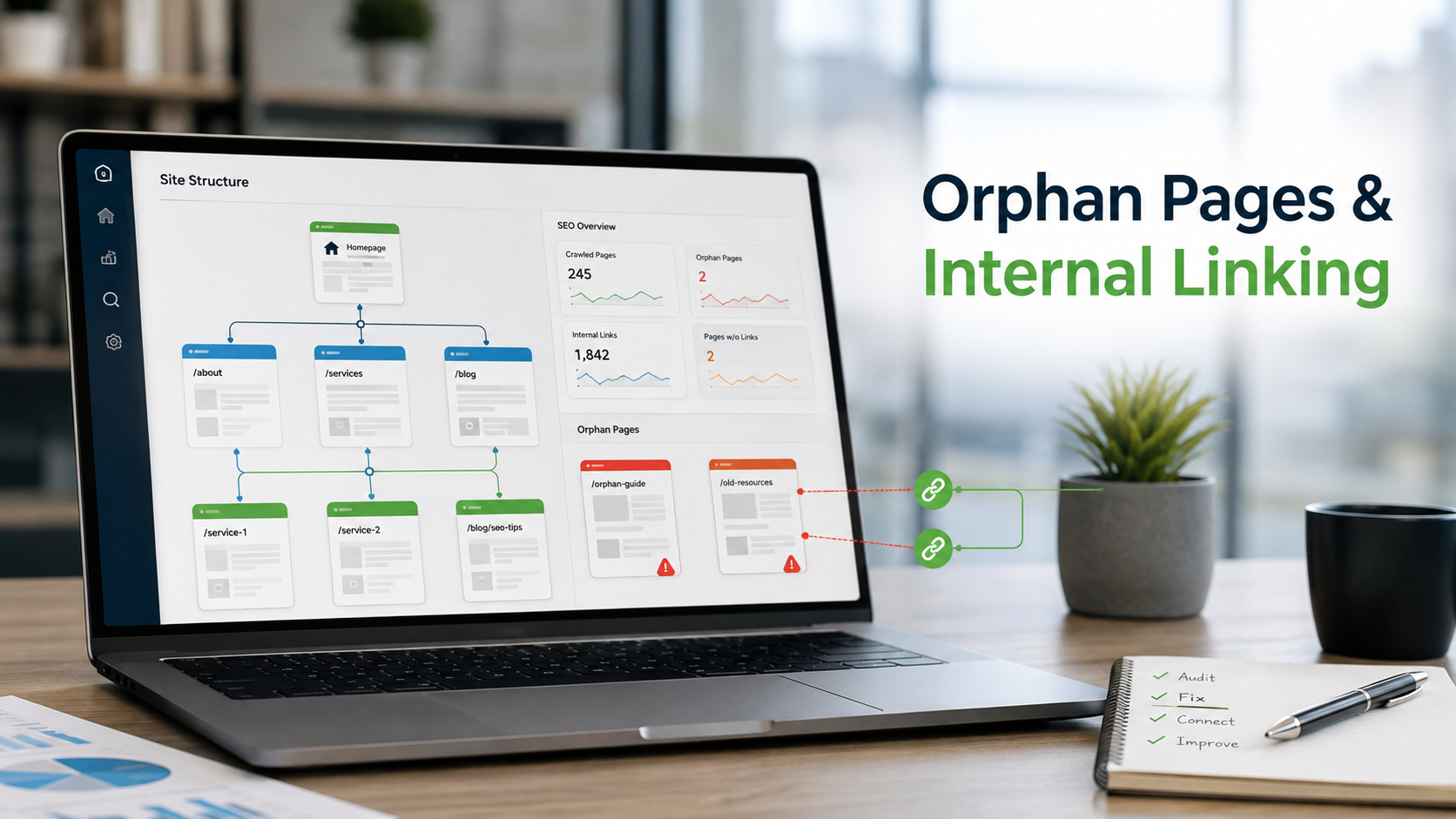
How to Find Orphan Pages and Fix Your Internal Linking
Every page on your site should be reachable through at least one link. When it is not, search engines struggle to find i...

Content Consolidation: When to Merge Competing Articles
When two or three of your own pages chase the same topic, they compete with each other instead of the rest of the web. H...
Please log in or create an account to join the discussion.